

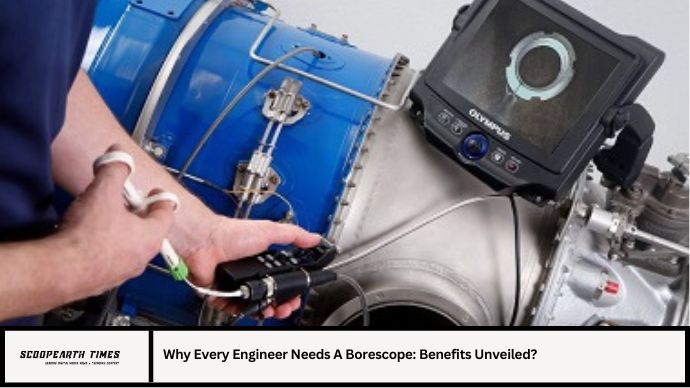
In the engineering world, precision and efficiency are paramount. Engineers are often tasked with diagnosing issues, ensuring maintenance, and verifying the integrity of complex systems and components. A borescope, a sophisticated optical instrument designed for visual inspection, has become an invaluable tool in these tasks. This article delves into why every engineer should have a borescope in their toolkit, highlighting its benefits, applications, and the impact it can have on engineering practices.
What is a Borescope?
A borescope is an optical device used for viewing and inspecting the internal parts of machinery, structures, or other objects that are otherwise difficult to see. It consists of a flexible or rigid tube with a camera at the end, a light source to illuminate dark areas, and an eyepiece or screen to view the images. The primary purpose of a borescope is to allow engineers to perform inspections and diagnostics without disassembling the equipment or structure.
Types of Borescopes
Borescopes come in various types, each suited for different inspection needs:
- Rigid Borescopes: These have a fixed, straight tube and are ideal for inspecting straight, accessible areas. They offer high image quality and are typically used in applications where the path to the inspection area is straight and unobstructed.
- Flexible Borescopes: These have a flexible, articulated tube that allows them to navigate through complex paths and reach areas that are not directly accessible. They are useful for inspecting curved or confined spaces.
- Videoscope: A type of flexible borescope equipped with a digital camera that provides live video feed. Videoscopes offer real-time viewing and recording capabilities, making them valuable for detailed inspections and documentation.
- Fiberscope: An older technology that uses optical fibers to transmit images from the tip of the borescope to the eyepiece. While less common today, fiberscopes are still used in specific applications where flexibility and small diameter are required.
Benefits of Using a Borescope
The advantages of incorporating a borescope into engineering practices are numerous. Here’s an in-depth look at the key benefits:
1. Enhanced Diagnostic Capabilities
A borescope allows engineers to view internal components and structures without disassembling them. This capability is crucial for diagnosing issues that are not visible through external inspection alone. For example:
- Engine Inspections: In the aerospace and automotive industries, borescopes are used to inspect the internal condition of engines, such as checking for wear, cracks, or foreign objects.
- Pipeline Inspections: Engineers can use borescopes to examine the interior of pipelines for corrosion, blockages, or damage, which is essential for maintenance and safety.
2. Time and Cost Savings
Performing inspections with a borescope can save significant time and reduce costs associated with disassembly and reassembly. By identifying and addressing issues early, engineers can avoid costly repairs and downtime.
- Reduced Labor Costs: Inspecting complex machinery or structures without disassembly reduces labor costs associated with taking apart and reassembling equipment.
- Minimized Downtime: Quick inspections prevent prolonged downtime, allowing for timely maintenance and minimizing the impact on production or operations.
3. Improved Safety
Safety is a critical concern in engineering, and borescopes enhance safety by allowing inspections in hazardous or difficult-to-reach areas without exposing personnel to risks.
- Confined Spaces: Borescopes can be used to inspect confined spaces that are otherwise inaccessible, reducing the need for workers to enter potentially dangerous environments.
- Risk Reduction: By identifying potential issues early, engineers can address problems before they escalate, reducing the risk of accidents or failures.
4. Detailed Visual Documentation
Many modern borescopes are equipped with video recording and imaging capabilities. This feature provides detailed visual documentation of inspections, which is valuable for:
- Quality Control: Capturing high-resolution images and videos helps in assessing the quality and condition of components or structures.
- Reporting and Analysis: Recorded footage can be used for detailed analysis, reporting, and communication with stakeholders, providing clear evidence of inspection results.
5. Versatility and Adaptability
Borescopes are versatile tools that can be adapted for various applications across different industries. Their flexibility makes them suitable for a wide range of inspection tasks, including:
- Manufacturing: Inspecting machinery and production lines for defects or wear.
- Construction: Checking the integrity of structures and infrastructure.
- Marine and Aerospace: Performing routine maintenance and inspections on critical systems and components.
Applications of Borescopes in Engineering
The applications of borescopes are vast and diverse. Here’s how they are used in various engineering fields:
1. Aerospace Engineering
In aerospace engineering, borescopes play a crucial role in maintaining and inspecting aircraft engines, turbines, and other critical components. They help ensure the safety and reliability of aircraft by allowing engineers to:
- Inspect Turbines: Check for blade wear, cracks, or foreign object damage.
- Monitor Engine Health: Assess the internal condition of engines to prevent potential failures.
2. Automotive Engineering
Borescopes are widely used in automotive engineering to inspect engines, transmissions, and other components. They aid in:
- Engine Diagnostics: Identifying issues such as carbon buildup, cylinder damage, or misalignment.
- Transmission Inspections: Checking internal gears and components for wear or damage.
3. Industrial Maintenance
In industrial settings, borescopes are invaluable for maintaining and repairing machinery and equipment. They are used to:
- Inspect Pipes and Boilers: Detect blockages, corrosion, or leaks in industrial pipelines and boilers.
- Monitor Production Equipment: Ensure that machinery operates smoothly and identify potential problems before they affect production.
4. Construction and Civil Engineering
Borescopes are used in construction and civil engineering to inspect the condition of structures and infrastructure. Applications include:
- Concrete Inspection: Checking for voids, cracks, or reinforcing steel placement within concrete structures.
- Structural Integrity: Assessing the condition of beams, columns, and other structural elements.
5. Marine Engineering
In marine engineering, borescopes are employed to inspect ship engines, hulls, and other critical components. They help:
- Maintain Engine Performance: Inspect internal engine parts for wear or damage.
- Assess Hull Integrity: Check for corrosion, cracks, or other issues in the ship’s hull.
Choosing the Right Borescope
Selecting the appropriate borescope for your needs involves considering several factors:
1. Type of Inspection
Determine whether you need a rigid or flexible borescope based on the accessibility and complexity of the inspection area. Flexible borescopes are suitable for navigating curved or confined spaces, while rigid borescopes are ideal for straight, accessible areas.
2. Image Quality
High-resolution imaging capabilities are essential for detailed inspections. Look for borescopes with advanced camera technology and adjustable lighting to ensure clear, sharp images.
3. Size and Flexibility
Consider the size and flexibility of the borescope, especially if you need to inspect small or intricate areas. A smaller diameter and flexible tube offer greater maneuverability.
4. Additional Features
Evaluate additional features such as video recording, image capturing, and digital connectivity. These features enhance the functionality of the borescope and provide valuable documentation for inspections.
5. Budget
Borescopes come in a range of prices depending on their features and capabilities. Assess your budget and choose a borescope that offers the best value for your specific needs.
FAQs
1. What is the primary purpose of a borescope?
The primary purpose of a borescope is to provide visual access to the internal parts of machinery, structures, or other objects that are difficult to see. It allows for inspections and diagnostics without disassembling the equipment.
2. How does a borescope work?
A borescope works by using an optical system to transmit images from the inspection area to the viewer. It consists of a tube with a camera and light source at the end, which captures and illuminates the internal area, and an eyepiece or screen for viewing the images.
3. What are the differences between rigid and flexible borescopes?
Rigid borescopes have a fixed, straight tube and are ideal for inspecting straight, accessible areas. Flexible borescopes have a flexible, articulated tube that allows them to navigate through curved or confined spaces.
4. Can a borescope be used in hazardous environments?
Yes, borescopes can be used in hazardous environments to inspect equipment or structures without exposing personnel to risks. However, it is important to choose a borescope that meets the specific safety and environmental requirements of the application.
5. How do I maintain and care for a borescope?
To maintain and care for a borescope, regularly clean the lens and tube, ensure the light source is functioning properly, and store the device in a protective case. Follow the manufacturer’s maintenance guidelines and inspect the borescope before and after each use to ensure it is in good working condition.
Conclusion
A borescope is an indispensable tool for engineers across various industries, providing a range of benefits from enhanced diagnostic capabilities to significant time and cost savings. By enabling detailed inspections of internal components and structures, borescopes help engineers address issues early, improve safety, and maintain the integrity of machinery and infrastructure.
Whether you are involved in aerospace, automotive, industrial maintenance, construction, or marine engineering, incorporating a borescope into your toolkit can elevate your inspection and diagnostic capabilities. Understanding the different types of borescopes, their applications, and how to choose the right one for your needs will ensure you make the most of this powerful tool. Investing in a borescope not only enhances your ability to perform precise inspections but also contributes to more efficient and effective engineering practices.


