

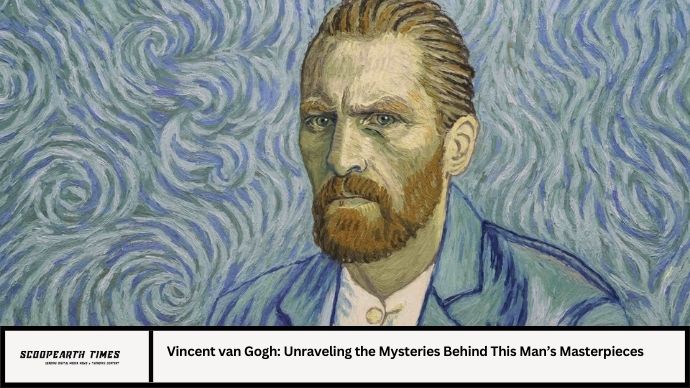
Vincent van Gogh, a name synonymous with brilliant color and emotional intensity, remains one of the most influential and enigmatic figures in the history of art. His masterpieces, characterized by vibrant colors, dramatic brushstrokes, and profound depth, continue to captivate audiences worldwide. Despite his significant contributions to art, van Gogh’s life was marked by struggle and mystery. This article aims to unravel the complexities behind Vincent van Gogh’s masterpieces, exploring his artistic journey, personal challenges, and lasting impact on the art world.
Vincent van Gogh: The Man Behind the Art
Understanding Vincent van Gogh’s masterpieces requires a glimpse into his life and the experiences that shaped his artistic vision.
1. Early Life and Influences
- Birth and Background: Vincent Willem van Gogh was born on March 30, 1853, in Zundert, Netherlands. He was the eldest of six children in the van Gogh family. His early years were marked by a sense of artistic inclination, though his family initially steered him towards a career in the clergy.
- Artistic Beginnings: Van Gogh’s initial exposure to art came through his work as an art dealer at Goupil & Cie. His love for art deepened during his time in Paris, where he encountered the works of the Impressionists and Post-Impressionists. These experiences had a profound impact on his style.
2. Artistic Development
- Move to Paris: In 1886, van Gogh moved to Paris, where he was introduced to a new world of color and technique. The influence of artists such as Georges Seurat and Paul Signac was evident in his evolving style. Van Gogh’s use of color became more vibrant and expressive.
- Provence and Arles: Van Gogh’s time in the South of France, particularly in Arles, marked a significant shift in his work. The region’s bright sunlight and bold colors inspired many of his most famous paintings, including “Starry Night” and “Sunflowers.”
The Masterpieces: Analyzing van Gogh’s Artistic Style
Van Gogh’s paintings are renowned for their unique style and emotional intensity. Understanding his masterpieces involves exploring his techniques, themes, and influences.
1. Brushwork and Technique
- Expressive Brushstrokes: Van Gogh’s use of bold, expressive brushstrokes is one of his signature techniques. His method of applying paint directly onto the canvas created a sense of movement and texture. This approach was revolutionary and added a dynamic quality to his work.
- Color Palette: Van Gogh’s color palette was characterized by vibrant and contrasting colors. He often used complementary colors to create visual impact and emotional depth. His choice of colors was not merely representational but also conveyed his emotional state and personal experiences.
2. Iconic Paintings
- “Starry Night”: Perhaps van Gogh’s most famous work, “Starry Night” (1889) depicts a swirling night sky over a quiet town. The painting reflects van Gogh’s fascination with the cosmos and his turbulent emotions. The dynamic brushstrokes and vivid colors create a mesmerizing effect.
- “Sunflowers”: Van Gogh’s series of sunflower paintings, created in 1888, showcases his ability to capture the beauty of nature. The bold yellow hues and textured brushstrokes highlight his fascination with the natural world and his innovative use of color.
- “The Bedroom”: This 1888 painting provides a glimpse into van Gogh’s personal life. The work features his modest bedroom in Arles, rendered in bold colors and simplified forms. The painting reflects his desire for comfort and stability amid his tumultuous life.
3. Themes and Symbolism
- Mental Health: Van Gogh’s mental health struggles are reflected in his art. His paintings often convey a sense of inner turmoil and emotional depth. Works such as “The Starry Night” and “The Scream” (which was painted by Edvard Munch, a contemporary of van Gogh) offer insight into his psychological state.
- Nature and Landscapes: Nature played a significant role in van Gogh’s work. His depictions of landscapes, fields, and flowers are infused with his personal emotions and experiences. The natural world served as both a source of inspiration and a means of expressing his inner feelings.
Personal Struggles and Tragic End
Van Gogh’s life was marked by personal struggles that had a profound impact on his art and legacy.
1. Mental Health Issues
- Psychological Turmoil: Van Gogh’s mental health issues, including episodes of depression and psychosis, were well-documented. His time in psychiatric hospitals and his struggles with mental illness influenced both his personal life and his art.
- Ear Incident: One of the most infamous events in van Gogh’s life was the incident in which he cut off part of his own ear. This act of self-harm is often attributed to a mental health crisis and reflects the severity of his emotional struggles.
2. Financial Difficulties and Lack of Recognition
- Financial Struggles: Despite his artistic talent, van Gogh faced significant financial difficulties. He often relied on the support of his brother, Theo, for financial assistance. Van Gogh’s work was not commercially successful during his lifetime, which contributed to his sense of isolation.
- Posthumous Fame: Van Gogh’s recognition and fame grew significantly after his death. His innovative techniques and emotional depth were later appreciated, and he is now regarded as one of the most influential artists of all time.
Legacy and Impact on the Art World
Vincent van Gogh’s contributions to art have had a lasting impact on the art world, shaping future generations of artists and art movements.
1. Influence on Modern Art
- Post-Impressionism: Van Gogh’s work was a significant influence on the Post-Impressionist movement. His emphasis on color and emotion paved the way for subsequent artists to explore new forms of expression and technique.
- Expressionism: Van Gogh’s emotional intensity and use of color influenced the development of Expressionism. Artists such as Edvard Munch and Wassily Kandinsky drew inspiration from van Gogh’s innovative approach to depicting emotions and inner experiences.
2. Popular Culture and Recognition
- Cultural Icon: Van Gogh has become a cultural icon, with his life and work featured in numerous books, films, and exhibitions. His story continues to captivate audiences and inspire new generations of artists and art enthusiasts.
- Museum Exhibitions: Van Gogh’s paintings are prominently displayed in major art museums around the world, including the Van Gogh Museum in Amsterdam and the Musée d’Orsay in Paris. These exhibitions highlight his artistic achievements and ensure his legacy endures.
Conclusion
Vincent van Gogh’s masterpieces represent a remarkable fusion of artistic innovation and personal expression. His unique style, characterized by bold brushstrokes and vibrant colors, reflects both his creative genius and his emotional struggles. Despite facing significant challenges during his lifetime, van Gogh’s work has left an indelible mark on the art world. His influence extends beyond his own time, shaping the course of modern art and continuing to inspire artists and audiences worldwide. As we unravel the mysteries behind van Gogh’s masterpieces, we gain a deeper appreciation for his profound contributions to art and the enduring legacy of his creative vision.
FAQ
1. What are Vincent van Gogh’s most famous paintings?
Vincent van Gogh’s most famous paintings include “Starry Night,” “Sunflowers,” and “The Bedroom.” These works are celebrated for their vibrant colors and emotional depth.
2. How did Vincent van Gogh’s mental health affect his art?
Van Gogh’s mental health struggles, including depression and psychosis, influenced his art by adding emotional intensity and depth. His work often reflects his psychological state and personal experiences.
3. Why was Vincent van Gogh’s work not recognized during his lifetime?
Van Gogh faced financial difficulties and struggled with mental health issues, which contributed to a lack of commercial success and recognition during his lifetime. His work gained widespread acclaim posthumously.
4. How did Vincent van Gogh’s style influence other artists?
Van Gogh’s use of color and emotional expression influenced the Post-Impressionist and Expressionist movements. His innovative techniques inspired artists like Edvard Munch and Wassily Kandinsky.
5. Where can I see Vincent van Gogh’s paintings?
Vincent van Gogh’s paintings are exhibited in major art museums worldwide, including the Van Gogh Museum in Amsterdam and the Musée d’Orsay in Paris. These institutions house many of his most renowned works.


