

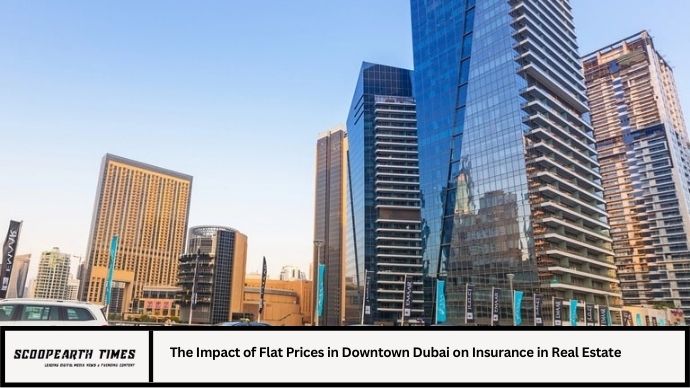
Downtown Dubai, an iconic district renowned for its luxury real estate and significant landmarks, has seen a series of economic and market changes in recent years. As a hub of high-end residential and commercial properties, the fluctuation in flat prices within this area has profound implications, particularly on real estate insurance. This article delves into how flat prices in Downtown Dubai impact real estate insurance, examining the influence on risk assessments, policy premiums, and market stability.
Introduction
Downtown Dubai stands as a symbol of modern opulence and architectural prowess. The area is home to the Burj Khalifa, the Dubai Mall, and numerous high-end residential and commercial properties. The dynamics of flat prices in such a high-profile district are crucial, not only for investors and property owners but also for insurers who need to accurately assess and manage risk.
In this detailed examination, we will explore:
- The relationship between flat prices and real estate insurance.
- How fluctuations in flat prices affect insurance premiums and coverage.
- The broader implications of these changes on market stability and investment.
Understanding Real Estate Insurance
Real estate insurance encompasses a range of policies designed to protect property owners and investors from financial loss due to damage or liability. Key types of real estate insurance include:
- Property Insurance: Covers damage to physical property caused by events such as fire, theft, or natural disasters.
- Liability Insurance: Protects against claims of injury or damage that occur on the property.
- Landlord Insurance: Provides coverage for rental properties, addressing issues such as loss of rental income and tenant-related risks.
Each type of insurance involves assessing the value of the property, which is closely linked to its market price. Changes in property values can therefore significantly impact insurance dynamics.
The Influence of Flat Prices on Insurance
Risk Assessment
Property Valuation:
High Flat Prices: When flat prices are high, the value of the insured property is also high. This means that insurers must consider higher replacement costs in the event of damage. Higher property values lead to higher insurance premiums because the potential payout for claims is increased.
Declining Flat Prices: Conversely, if flat prices decline, the insured value of properties decreases. This reduction can result in lower premiums but also implies that properties might not be adequately covered if values drop below the actual replacement cost.
Risk Exposure:
Economic Volatility: High flat prices can be indicative of an overheated market or economic instability. Insurers need to account for the possibility of a market correction, which could impact the financial stability of property owners and the frequency of claims.
Market Stability: Lower flat prices might reflect economic downturns or decreased demand, increasing the risk of claims due to economic stress or reduced property maintenance.
Premium Adjustments
High Property Values:
Increased Premiums: High flat prices lead to higher property values, necessitating higher insurance premiums. Insurers adjust premiums based on the cost of potential claims and the higher value of the property.
Comprehensive Coverage: Insurers might also offer more comprehensive coverage options to match the high value of the properties, covering a broader range of risks.
Low Property Values:
Reduced Premiums: When property values are lower, insurance premiums generally decrease. However, this also means that coverage levels might be reduced, affecting the extent of protection available.
Underinsurance Risks: Property owners might face the risk of underinsurance if the decline in property values is not matched by an appropriate adjustment in coverage levels.
Claims and Payouts
High Flat Prices:
Larger Claims: In the event of a claim, high flat prices result in larger payouts. Insurers must be prepared for substantial financial exposure, which can influence their overall risk management strategies.
Risk Management: Insurers might implement stricter risk management practices or higher deductibles to mitigate potential financial exposure associated with high-value properties.
Low Flat Prices:
Smaller Claims: Lower flat prices typically lead to smaller claims. However, insurers need to carefully evaluate whether reduced premiums accurately reflect the risk of potential claims.
Policy Adjustments: Insurers may adjust policy terms and conditions to ensure they remain financially viable while offering coverage that aligns with the current market conditions.
Market Implications
Investor Behavior
High Prices:
Increased Investment: High flat prices often attract more investors seeking high returns. This can lead to increased demand for insurance coverage, as investors look to protect their high-value assets.
Speculative Risks: High property values can lead to speculative investments, which may influence the stability of insurance markets. Insurers must navigate these dynamics to maintain balanced risk portfolios.
Low Prices:
Reduced Investment: Lower flat prices may deter potential investors, impacting the demand for insurance. This can lead to reduced market activity and adjustments in insurance policies and premiums.
Risk Mitigation: Investors may seek to mitigate risks by opting for lower coverage limits or self-insurance, which can affect the overall insurance market landscape.
Insurance Market Stability
Economic Conditions:
Volatility: Significant fluctuations in flat prices can contribute to market volatility. Insurers need to adapt to these changes to ensure market stability and maintain appropriate risk management practices.
Regulatory Responses: Economic downturns or rapid price changes might prompt regulatory responses to safeguard both insurers and policyholders. This can influence insurance policies, premiums, and market stability.
Policy Adjustments:
Dynamic Policies: Insurers might adjust their policies and coverage options in response to changing flat prices and market conditions. This ensures that insurance products remain relevant and effective in protecting property owners and investors.
Future Outlook
As Downtown Dubai continues to evolve, the impact of flat prices on real estate insurance will remain a critical factor. Insurers and property owners must stay informed about market trends, economic conditions, and regulatory changes to navigate the complexities of real estate insurance effectively.
Technological Advancements
Data Analytics:
Enhanced Risk Assessment: Advances in data analytics and predictive modeling can improve risk assessment and pricing accuracy. Insurers can leverage these technologies to better understand market dynamics and adjust premiums accordingly.
Market Insights: Data-driven insights can help insurers identify emerging trends and potential risks associated with fluctuating flat prices, enabling more informed decision-making.
Insurance Technology (InsurTech):
Innovative Solutions: The rise of InsurTech offers innovative solutions for underwriting, claims management, and customer service. These advancements can enhance the efficiency and effectiveness of insurance processes in the context of changing property values.
Regulatory Developments
Policy Changes:
Regulatory Oversight: Changes in regulations and policies can impact insurance practices and market stability. Insurers must stay abreast of regulatory developments to ensure compliance and adapt their strategies accordingly.
Consumer Protection: Regulatory measures aimed at protecting consumers can influence insurance policies and coverage options, affecting how insurers address the risks associated with flat price fluctuations.
Market Adjustments:
Adapting to Change: Insurers must be agile in adapting to market changes and regulatory requirements. This includes adjusting policies, premiums, and coverage levels to align with evolving market conditions.
Conclusion
The impact of flat prices in Downtown Dubai on insurance in real estate is a multifaceted issue that encompasses risk assessment, premium adjustments, and market stability. As property values fluctuate, insurers must navigate these changes to provide appropriate coverage and maintain financial stability. By staying informed about market trends, technological advancements, and regulatory developments, insurers and property owners can better manage the complexities of real estate insurance in a dynamic environment.
FAQ
1. How do high flat prices affect insurance premiums in Downtown Dubai?
High flat prices lead to higher insurance premiums because the value of the insured property is increased. Insurers need to account for higher replacement costs and potential payouts.
2. What happens to insurance coverage when flat prices decline?
When flat prices decline, insurance coverage may be reduced to reflect the lower property value. However, this can lead to underinsurance if the coverage does not match the actual replacement cost.
3. How do insurers manage the risk associated with fluctuating flat prices?
Insurers manage risk by adjusting premiums, implementing risk management practices, and adapting policy terms to align with changing property values and market conditions.
4. What are the broader implications of flat price fluctuations on the real estate market?
Fluctuations in flat prices can influence investor behavior, market stability, and overall insurance market dynamics. Economic conditions and regulatory responses also play a role in shaping the impact.
5. How can technological advancements improve insurance practices in response to flat price changes?
Technological advancements, such as data analytics and InsurTech solutions, can enhance risk assessment, improve pricing accuracy, and streamline insurance processes, helping insurers adapt to changing flat prices.


