

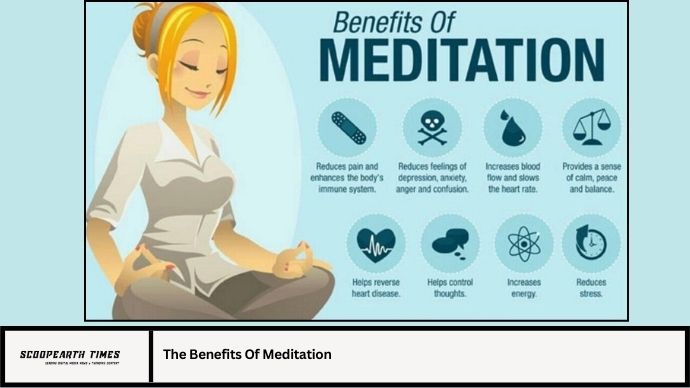
Meditation has transcended its traditional roots to become a widely recognized practice for enhancing mental, emotional, and physical well-being. Originating from ancient spiritual traditions, meditation techniques have evolved and adapted to modern lifestyles, offering a myriad of benefits to individuals seeking peace, clarity, and overall wellness. This comprehensive guide explores the profound benefits of meditation, backed by scientific research and personal anecdotes, to highlight why integrating meditation into daily life can lead to transformative outcomes.
Understanding Meditation
1. What is Meditation?
Meditation encompasses a range of practices that promote relaxation, concentration, and heightened awareness. Techniques vary from mindfulness meditation, focused attention, loving-kindness meditation, to transcendental meditation, each with its unique approach to quieting the mind and fostering inner peace.
2. Historical Context and Modern Adoption
Originating in ancient Eastern cultures such as Hinduism, Buddhism, and Taoism, meditation has been practiced for centuries to achieve spiritual enlightenment and personal growth. In contemporary society, meditation has gained popularity across cultures and religions as a secular practice to enhance mental clarity and emotional resilience.
The Benefits of Regular Meditation Practice
1. Stress Reduction and Relaxation
One of the most recognized benefits of meditation is its ability to reduce stress levels. By promoting relaxation and calming the mind, meditation techniques such as deep breathing and mindfulness help individuals manage stress more effectively, leading to improved overall well-being.
2. Enhanced Emotional Well-being
Regular meditation cultivates emotional stability and resilience. Practitioners often report increased self-awareness, better emotional regulation, and a greater sense of inner peace. Meditation techniques encourage individuals to observe their thoughts and feelings without judgment, fostering a compassionate understanding of oneself and others.
3. Improved Focus and Concentration
Mindfulness meditation, in particular, enhances cognitive function by improving focus, attention span, and concentration. By training the mind to stay present in the moment, practitioners develop mental clarity and the ability to prioritize tasks effectively, leading to increased productivity and performance.
4. Promotion of Mind-Body Connection
Meditation promotes a harmonious connection between the mind and body. Practices such as yoga meditation and body scan meditation encourage physical relaxation, reduce muscle tension, and support overall physical health. This mind-body integration contributes to holistic well-being and vitality.
5. Sleep Quality Improvement
Individuals who practice meditation often experience better sleep quality and patterns. Meditation techniques promote relaxation before bedtime, reduce insomnia symptoms, and encourage a restful state of mind conducive to deep, rejuvenating sleep.
Scientific Evidence Supporting Meditation Benefits
1. Neurological Effects
Studies using neuroimaging techniques have demonstrated that meditation induces structural changes in the brain, particularly in areas associated with emotional regulation, memory, and stress response. These neuroplastic changes support improved cognitive function and emotional resilience over time.
2. Psychological Benefits
Research in psychology has shown that regular meditation practice reduces symptoms of anxiety, depression, and other mood disorders. Meditation techniques contribute to psychological well-being by promoting positive thinking patterns, resilience to negative emotions, and overall mental health.
Types of Meditation Practices
1. Mindfulness Meditation
Focused on cultivating present-moment awareness, mindfulness meditation involves observing thoughts, sensations, and emotions without attachment or judgment. Techniques include breath awareness, body scan, and mindful walking, promoting mental clarity and stress reduction.
2. Transcendental Meditation (TM)
TM involves silently repeating a mantra to achieve a state of deep relaxation and inner peace. Originating from Vedic traditions, TM is practiced for 20 minutes twice daily, allowing practitioners to access deeper levels of consciousness and promote holistic well-being.
Integrating Meditation into Daily Life
1. Establishing a Meditation Routine
To reap the benefits of meditation, consistency is key. Start with short sessions of 10-15 minutes daily and gradually increase duration as you become more comfortable with the practice. Create a quiet space, free from distractions, to enhance focus and relaxation during meditation.
2. Combining Meditation with Physical Activity
Meditative practices such as yoga and Tai Chi integrate movement with mindfulness, promoting physical flexibility, balance, and inner calm. Combining meditation with physical exercise enhances overall health benefits and supports a balanced lifestyle.
Common Questions About Meditation
1. How long does it take to experience benefits from meditation?
While individual experiences may vary, many practitioners report experiencing initial benefits such as increased relaxation and stress reduction within a few weeks of regular meditation practice. Consistency and commitment to the practice are essential for long-term benefits.
2. Can anyone practice meditation, regardless of religious beliefs?
Yes, meditation is a secular practice that can be adapted to suit individuals of all religious and cultural backgrounds. Techniques such as mindfulness meditation focus on universal principles of awareness and compassion, making them accessible to anyone seeking inner peace and well-being.
3. What is the best time of day to meditate?
The best time to meditate varies based on personal preference and lifestyle. Many individuals find morning meditation beneficial for setting a positive tone for the day, while others prefer evening meditation to unwind and promote relaxation before bedtime. Choose a time that aligns with your schedule and allows for uninterrupted focus.
4. How does meditation differ from relaxation techniques?
While relaxation techniques focus on relieving physical and mental tension, meditation goes beyond relaxation by cultivating heightened awareness, emotional balance, and spiritual growth. Meditation involves active mental engagement, whereas relaxation techniques primarily aim to alleviate stress and induce calmness.
Conclusion
In conclusion, the benefits of meditation extend far beyond stress reduction and relaxation, encompassing emotional well-being, cognitive enhancement, and holistic health improvement. Whether practiced individually or as part of a structured program, meditation offers profound benefits for individuals seeking to cultivate mindfulness, resilience, and inner peace in today’s fast-paced world. Scientific research continues to validate the transformative effects of meditation on mental, emotional, and physical health, underscoring its role as a valuable tool for enhancing overall well-being.
By integrating meditation into daily life and embracing its diverse techniques, individuals can embark on a journey of self-discovery, personal growth, and profound inner harmony. Embrace the power of meditation to nurture a balanced mind, body, and spirit, and experience firsthand the profound benefits it offers for a fulfilling and enriched life.


