
Coworking Startup Smartworks Secured $20 Million In Its Funding Round Led By Ananta Capital, Plutus Capital And More

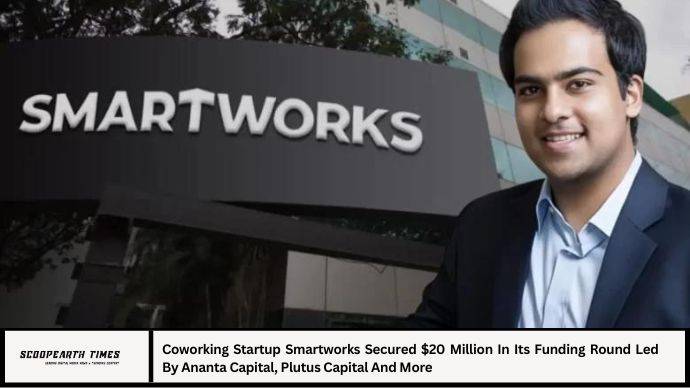
In the dynamic world of coworking spaces, securing substantial funding is a key indicator of growth and investor confidence. Smartworks, a prominent player in the coworking sector, has recently secured $20 million in its latest funding round. This investment round was led by notable venture capital firms, including Ananta Capital and Plutus Capital, among others. This article provides a comprehensive analysis of Smartworks’ funding round, the role of the leading investors, and the implications for the company’s future and the coworking industry.
Overview of Smartworks
Company Background
Founded in 2016, Smartworks has rapidly established itself as a leading coworking space provider in India and beyond. The company offers flexible office solutions tailored to various business needs, from startups and SMEs to large enterprises. Smartworks differentiates itself with a focus on creating vibrant and collaborative work environments that foster innovation and productivity.
Key aspects of Smartworks include:
- Flexible Workspaces: Offering a range of workspace solutions, including private offices, dedicated desks, and hot desks, to accommodate diverse business requirements.
- Community and Networking: Creating an ecosystem that encourages networking, collaboration, and community building among its members.
- Technology Integration: Utilizing advanced technology and infrastructure to provide seamless and efficient workspace management.
Smartworks has grown significantly since its inception, expanding its footprint across major cities and establishing a strong presence in the coworking market.
Growth and Expansion
The growth of Smartworks is indicative of the increasing demand for flexible workspaces. The company has expanded its operations both within India and internationally, opening new centers in key cities and leveraging strategic partnerships to enhance its service offerings. This growth trajectory reflects the broader trend towards coworking spaces as businesses seek flexible and cost-effective workspace solutions.
The $20 Million Funding Round
Details of the Funding Round
Smartworks’ recent funding round raised a substantial $20 million, marking a significant milestone for the company. The funding round was led by Ananta Capital, Plutus Capital, and other prominent investors. The key aspects of the funding round include:
- Investment Amount: $20 million secured in this round, aimed at supporting Smartworks’ growth and expansion initiatives.
- Lead Investors: Ananta Capital and Plutus Capital, along with other participating investors, played a crucial role in the funding round.
- Funding Purpose: The funds are intended to enhance Smartworks’ expansion plans, technology upgrades, and service enhancements.
Role of Leading Investors
- Ananta Capital: Ananta Capital is a renowned venture capital firm with a focus on investing in high-growth startups across various sectors. Their investment in Smartworks reflects confidence in the company’s business model and growth potential.
- Plutus Capital: Plutus Capital is known for its strategic investments in emerging businesses. Their involvement in Smartworks’ funding round underscores their commitment to supporting innovative coworking solutions.
The participation of these leading investors not only provides financial backing but also offers strategic support and industry expertise to Smartworks.
Strategic Use of Funds
Expansion Initiatives
One of the primary uses of the $20 million funding is to support Smartworks’ expansion efforts. This includes:
- Opening New Centers: Establishing new coworking spaces in key cities and expanding into new markets to capture a broader customer base.
- Geographical Diversification: Exploring opportunities for international expansion to tap into emerging markets and global business hubs.
Technology Upgrades
Investing in technology is crucial for maintaining a competitive edge in the coworking industry. The funding will be used to:
- Enhance Infrastructure: Upgrading existing technology infrastructure to improve the efficiency and functionality of Smartworks’ coworking spaces.
- Implement New Solutions: Adopting advanced technological solutions for workspace management, member engagement, and operational efficiency.
Service Enhancements
To further differentiate itself in the market, Smartworks plans to:
- Develop New Offerings: Introduce new services and amenities to meet the evolving needs of its members.
- Improve Member Experience: Enhance the overall experience for members through personalized services, community events, and networking opportunities.
Implications for Smartworks
Growth Prospects
The successful funding round positions Smartworks for significant growth and development. With the infusion of $20 million, the company is well-equipped to accelerate its expansion plans, enhance its technology stack, and improve its service offerings.
- Market Position: Increased funding will strengthen Smartworks’ position in the competitive coworking market, allowing it to capture a larger share of the market and attract new customers.
- Competitive Advantage: Investment in technology and service enhancements will provide Smartworks with a competitive advantage, enabling it to offer superior coworking solutions compared to its peers.
Financial Management
Effective management of the new funds will be crucial for Smartworks’ success. Key considerations include:
- Resource Allocation: Strategically allocating funds to achieve maximum impact and align with the company’s growth objectives.
- Operational Efficiency: Ensuring that the investment leads to operational improvements and contributes to overall business efficiency.
Industry Trends and Context
Growth of the Coworking Sector
The coworking industry has experienced substantial growth in recent years, driven by several key trends:
- Flexibility and Adaptability: Businesses are increasingly seeking flexible workspace solutions that can adapt to changing needs and circumstances.
- Remote Work: The rise of remote work and hybrid work models has increased demand for coworking spaces as an alternative to traditional office setups.
- Community Focus: Coworking spaces are evolving to emphasize community building, networking, and collaboration, creating more value for members.
Investment Trends in Coworking
Investment in coworking spaces has seen a significant uptick, with venture capital firms and investors recognizing the potential of this sector. Key trends include:
- Increased Funding: Higher levels of investment are being directed towards coworking startups, reflecting confidence in their growth potential and market demand.
- Innovative Solutions: Investors are supporting companies that offer innovative solutions and differentiated services in the coworking space.
Future Outlook
Prospects for Smartworks
The future outlook for Smartworks is promising, given the successful completion of its $20 million funding round. The company is well-positioned to leverage this investment to drive growth and enhance its market presence.
- Expansion Opportunities: With increased funding, Smartworks can pursue new market opportunities and expand its reach, both within India and internationally.
- Technology and Innovation: Investment in technology and innovation will enable Smartworks to stay ahead of industry trends and offer cutting-edge solutions to its members.
Broader Industry Impact
The success of Smartworks’ funding round reflects broader trends in the coworking industry and investment landscape:
- Increased Investor Interest: The growing interest in coworking startups indicates a strong market potential and the attractiveness of flexible workspace solutions.
- Evolving Workspace Solutions: The industry will continue to evolve, with new trends and innovations shaping the future of coworking spaces.
FAQ
1. What is Smartworks, and what services does it offer?
Smartworks is a leading coworking space provider offering flexible office solutions, including private offices, dedicated desks, and hot desks. The company focuses on creating collaborative work environments and leveraging technology for efficient workspace management.
2. How much funding did Smartworks secure in its recent funding round?
Smartworks secured $20 million in its recent funding round, which was led by Ananta Capital, Plutus Capital, and other investors.
3. What are the primary uses of the funds secured by Smartworks?
The funds will be used for expansion initiatives, technology upgrades, and service enhancements, including opening new centers, improving infrastructure, and developing new offerings.
4. Who are the leading investors in Smartworks’ funding round?
The leading investors in Smartworks’ funding round include Ananta Capital and Plutus Capital, along with other prominent venture capital firms.
5. What are the key trends influencing the coworking industry?
Key trends include the increasing demand for flexible workspaces, the rise of remote and hybrid work models, and a focus on community and networking within coworking spaces.
Conclusion
The recent $20 million funding round for Smartworks, led by Ananta Capital, Plutus Capital, and other investors, marks a significant milestone for the company and the coworking industry. The infusion of capital provides Smartworks with the resources needed to accelerate its growth, enhance its technology and service offerings, and expand its market presence. As the coworking sector continues to evolve, Smartworks is well-positioned to leverage this investment to drive innovation and capture new opportunities. The successful funding round reflects broader trends in the industry and highlights the growing investor confidence in flexible workspace solutions. As Smartworks moves forward, its ability to effectively utilize the new funds and execute its growth strategy will be key to its continued success and impact on the coworking landscape.


