

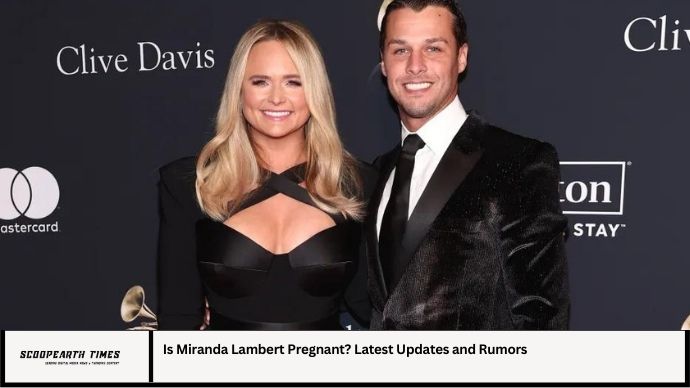
Miranda Lambert, a celebrated country music artist known for her powerful voice and dynamic performances, is often in the spotlight not just for her music but also for her personal life. Recently, speculation has swirled around whether Lambert is pregnant. This article delves into the rumors, examines recent developments, and provides a comprehensive overview of the situation surrounding Miranda Lambert and the pregnancy speculation.
Background on Miranda Lambert
To understand the current rumors, it’s essential to know more about Miranda Lambert and her background.
1. Early Life and Career
- Birth and Early Years: Miranda Lambert was born on November 10, 1983, in Lindale, Texas. From a young age, she showed a keen interest in music, influenced by her family and local country music scene.
- Career Beginnings: Lambert began her professional music career in the early 2000s. Her debut album, Kerosene, released in 2005, marked the beginning of her rise in country music. With a series of successful albums and hit singles, she established herself as one of the genre’s leading artists.
2. Personal Life
- Previous Relationships: Miranda Lambert’s previous high-profile relationship with fellow country artist Blake Shelton was widely covered in the media. The couple married in 2011 but announced their separation in 2015.
- Current Relationship: Lambert is currently married to Brendan McLoughlin, a former NYPD officer. The couple tied the knot in a private ceremony in January 2019. Their relationship has also been the subject of media interest.
The Pregnancy Rumors
The speculation about Miranda Lambert being pregnant has gained traction in recent months. Here’s a closer look at the rumors and the facts behind them.
1. Origins of the Rumors
- Social Media Speculation: The rumors began circulating on social media platforms, where fans and celebrity watchers noticed changes in Lambert’s appearance and questioned whether she might be expecting.
- Public Appearances: Speculation was fueled by Lambert’s recent public appearances. Some fans and media observers pointed to her wardrobe choices and comments made during interviews as potential indicators of pregnancy.
2. Miranda Lambert’s Responses
- Public Statements: As of now, Miranda Lambert has not confirmed or denied the pregnancy rumors publicly. She has addressed personal questions in interviews with a mix of humor and discretion, often steering the conversation back to her music and career.
- Social Media Activity: Lambert’s social media accounts have been closely monitored for any hints or announcements related to her personal life. However, she has maintained a focus on her professional updates rather than personal speculation.
3. Media Coverage
- Tabloid Reports: Various tabloids and entertainment news outlets have reported on the pregnancy rumors, often citing anonymous sources or speculative information. These reports have contributed to the buzz but lack concrete evidence.
- Official Statements: Despite the media frenzy, there has been no official confirmation from Miranda Lambert or her representatives regarding the rumors.
Analysis of the Situation
To provide a balanced perspective, it’s essential to analyze the situation based on available information and context.
1. Media Influence
- Impact of Rumors: Celebrity pregnancy rumors are not uncommon and can significantly impact public perception and media coverage. The interest in Miranda Lambert’s personal life reflects broader trends in celebrity culture and media consumption.
- Privacy Considerations: It’s important to respect the privacy of individuals, including celebrities. Speculation about personal matters such as pregnancy can be intrusive and should be approached with sensitivity.
2. Implications for Miranda Lambert
- Professional Impact: The focus on her personal life can affect Miranda Lambert’s professional image and career. While public interest is high, it’s crucial for fans and media to recognize and respect boundaries.
- Future Announcements: Should there be any developments regarding Miranda Lambert’s family plans, it is likely she will choose to share the news in a manner she deems appropriate. Fans and media should await official statements for accurate information.
Conclusion
As of now, there is no confirmed news about Miranda Lambert’s pregnancy. The speculation is fueled by rumors, media reports, and public observations, but no official statement has been made by Lambert or her representatives. It’s essential to approach such matters with caution and respect for personal privacy. Miranda Lambert continues to focus on her music career, and any developments regarding her personal life will be addressed by her at her discretion.
FAQ
1. Is Miranda Lambert pregnant?
As of now, there is no confirmed information about Miranda Lambert being pregnant. The rumors are based on speculation and have not been officially addressed by Lambert.
2. What are the sources of the pregnancy rumors?
The pregnancy rumors originated from social media speculation and tabloid reports, which have been fueled by observations of Miranda Lambert’s public appearances.
3. Has Miranda Lambert made any official statements about being pregnant?
No, Miranda Lambert has not made any official statements confirming or denying the pregnancy rumors. She has maintained a focus on her career and music.
4. How has the media covered the pregnancy rumors?
The media coverage has included speculative reports and tabloid stories. There has been no concrete evidence or official confirmation from Miranda Lambert or her representatives.
5. Why is there so much interest in Miranda Lambert’s personal life?
Interest in Miranda Lambert’s personal life reflects broader trends in celebrity culture and media consumption. However, it is important to approach such topics with sensitivity and respect for privacy.


