

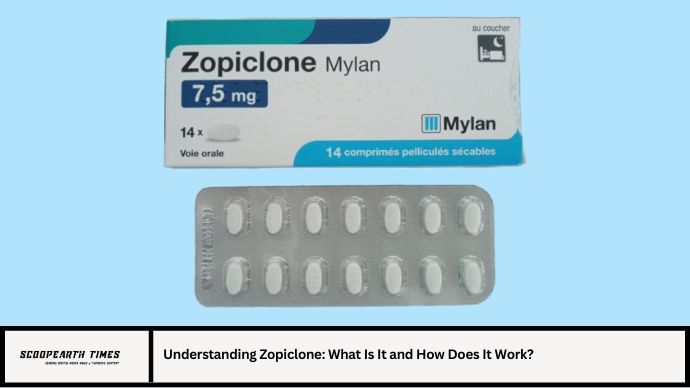
In the realm of pharmaceuticals designed to treat insomnia, Zopiclone stands out as a commonly prescribed medication. This article aims to provide a detailed exploration of what Zopiclone is, how it works, its uses, potential side effects, safety concerns, and frequently asked questions (FAQs) associated with its usage.
What is Zopiclone?
Zopiclone belongs to the class of medications known as non-benzodiazepine hypnotics. It is primarily used to treat insomnia, a condition characterized by difficulty falling asleep or staying asleep. Approved for short-term use, Zopiclone helps regulate sleep patterns by affecting certain neurotransmitters in the brain, promoting a calming effect that aids in initiating and maintaining sleep.
How Does Zopiclone Work?
Zopiclone works by enhancing the activity of gamma-aminobutyric acid (GABA), a neurotransmitter that inhibits brain activity. By binding to specific GABA receptors in the brain, Zopiclone reduces neuronal excitability, which in turn promotes relaxation and sleepiness. This mechanism is similar to that of benzodiazepines but differs in chemical structure and binding affinity.
Uses of Zopiclone
The primary medical use of Zopiclone is in the treatment of insomnia. It is prescribed for individuals who experience difficulty falling asleep or frequent awakenings during the night. Zopiclone helps shorten the time it takes to fall asleep and prolongs sleep duration, thereby improving overall sleep quality. It is typically recommended for short-term use, ranging from a few days to a few weeks, to avoid the potential for dependence and tolerance.
Side Effects of Zopiclone
Like any medication, Zopiclone can cause side effects, although not everyone experiences them. Common side effects include:
- Daytime drowsiness
- Dry mouth
- Bitter taste in the mouth
- Dizziness
- Headache
- Gastrointestinal disturbances (nausea, vomiting)
Less common but more severe side effects may include:
- Memory problems
- Confusion
- Hallucinations
- Behavioral changes
- Allergic reactions (rash, itching, swelling)
It is crucial to discuss potential side effects with a healthcare provider before starting Zopiclone and to report any adverse reactions promptly.
Safety Concerns and Precautions
Several safety concerns are associated with the use of Zopiclone, particularly regarding its potential for dependence and withdrawal symptoms. To minimize these risks, healthcare providers typically prescribe Zopiclone for short-term use and at the lowest effective dose. Abrupt discontinuation or prolonged use can lead to withdrawal symptoms such as rebound insomnia, anxiety, tremors, and in severe cases, seizures.
Other safety considerations include:
- Avoiding alcohol and other central nervous system depressants while taking Zopiclone
- Caution in individuals with a history of substance abuse or addiction
- Monitoring for signs of tolerance or dependence during treatment
FAQs
Is Zopiclone addictive?
Zopiclone has the potential for dependence, especially with prolonged use or higher doses. It is essential to follow prescribed guidelines and avoid abrupt discontinuation.
How quickly does Zopiclone work?
Zopiclone usually starts working within 30 to 60 minutes after ingestion. It is recommended to take it just before bedtime to maximize its effectiveness.
Can Zopiclone be used long term?
Zopiclone is generally prescribed for short-term use (2-4 weeks) due to the risk of tolerance, dependence, and withdrawal symptoms associated with prolonged use.
What should I do if I miss a dose of Zopiclone?
If you miss a dose, take it as soon as you remember, unless it is almost time for your next scheduled dose. Do not double the dose to catch up.
Can Zopiclone cause memory problems? Memory problems are a potential side effect of Zopiclone, particularly at higher doses or with prolonged use. It is essential to discuss any concerns with your healthcare provider.
Conclusion
Zopiclone is a valuable medication for treating insomnia, providing relief for individuals struggling with sleep disturbances. However, its use should be approached with caution due to potential side effects and safety concerns, including the risk of dependence and withdrawal. By understanding how Zopiclone works, its uses, and associated precautions, individuals can make informed decisions in collaboration with healthcare providers to optimize sleep management while minimizing risks.


