

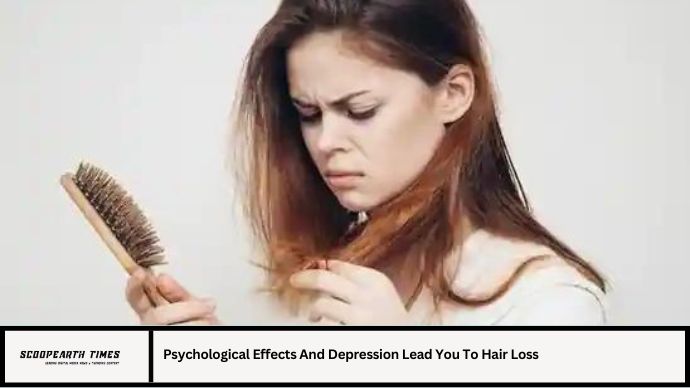
The connection between psychological health and physical well-being is profound, with emerging research highlighting how conditions like depression can impact various aspects of our health, including hair loss. This in-depth exploration delves into the psychological effects of depression and how they can contribute to hair loss, examining causes, treatments, and preventative measures to mitigate the impact on hair health.
Understanding Psychological Effects and Hair Loss
1. Impact of Stress on Hair Health
Stress is a significant factor in triggering hair loss, affecting both men and women. Psychological stressors such as anxiety and depression can disrupt the hair growth cycle, leading to conditions like telogen effluvium, where hair prematurely enters the shedding phase.
2. Role of Cortisol and Hormonal Imbalance
During periods of prolonged stress, the body releases higher levels of cortisol, known as the stress hormone. Elevated cortisol levels can disrupt hormone balance, including those involved in hair growth, potentially contributing to hair thinning and loss.
Depression and Its Effects on Hair Loss
1. Psychological Mechanisms at Play
Depression alters brain chemistry and neurotransmitter levels, influencing physiological processes throughout the body. These changes can impact the hair follicles’ growth cycle, leading to conditions like alopecia areata, where the immune system attacks hair follicles.
2. Behavioral Factors and Hair Care
Individuals experiencing depression may neglect self-care routines, including proper nutrition and hair care practices. Poor dietary choices and lack of essential nutrients can exacerbate hair loss, affecting overall hair health and growth.
Types of Hair Loss Associated with Psychological Effects
1. Telogen Effluvium
Telogen effluvium is a common form of hair loss triggered by significant stress, illness, or trauma. It results in a sudden shedding of hair, typically several months after the stressful event, as affected hair follicles enter the resting phase prematurely.
2. Alopecia Areata
Alopecia areata is an autoimmune condition where the immune system mistakenly attacks hair follicles, causing hair loss in patches or across the scalp. Stress, including psychological distress like depression, can exacerbate or trigger episodes of alopecia areata.
Psychological Treatments and Hair Loss Management
1. Therapeutic Interventions
Addressing underlying psychological conditions such as depression through therapy and counseling can help manage stress levels and reduce the impact on hair health. Cognitive-behavioral therapy (CBT) and mindfulness-based stress reduction (MBSR) are effective approaches for enhancing emotional resilience and mitigating stress-related hair loss.
2. Medications and Supplements
In some cases, medications may be prescribed to manage symptoms of depression and regulate hormonal imbalances that contribute to hair loss. Additionally, supplements containing essential nutrients like biotin, vitamins B and D, and omega-3 fatty acids support hair growth and overall scalp health.
Lifestyle Modifications for Hair Health
1. Stress Management Techniques
Incorporate stress-reducing practices into daily routines, such as yoga, meditation, deep breathing exercises, and regular physical activity. These techniques promote relaxation, lower cortisol levels, and support optimal hair growth.
2. Healthy Diet and Nutritional Support
Maintain a balanced diet rich in vitamins, minerals, and antioxidants essential for hair follicle nourishment and growth. Include foods high in protein, iron, zinc, and omega-3 fatty acids to support healthy hair and scalp conditions.
Frequently Asked Questions (FAQs)
1. Can stress-related hair loss be reversed?
Yes, with appropriate stress management and targeted treatments, stress-related hair loss such as telogen effluvium can often be reversed as hair follicles return to their normal growth cycle.
2. What role does genetics play in stress-related hair loss?
Genetic predisposition can influence susceptibility to hair loss conditions exacerbated by stress. Individuals with a family history of pattern baldness or autoimmune disorders may be more prone to experiencing stress-related hair loss.
3. How long does it take to see improvement in hair growth with treatment?
Results vary depending on the underlying cause and individual response to treatment. Improvement in hair growth may be noticeable within a few months of initiating therapy aimed at managing stress and promoting scalp health.
4. Are there lifestyle changes that can help prevent stress-related hair loss?
Yes, adopting a healthy lifestyle that includes stress management techniques, a balanced diet, regular exercise, and adequate sleep supports overall well-being and reduces the risk of stress-related hair loss.
5. When should I seek professional help for stress-related hair loss?
If you notice sudden or excessive hair shedding, thinning patches, or changes in hair texture and scalp condition, consult a healthcare provider or dermatologist for a comprehensive evaluation and personalized treatment recommendations.
Conclusion
The psychological effects of conditions like depression can significantly impact hair health and contribute to various forms of hair loss. Understanding the relationship between psychological well-being and hair health is essential for implementing effective prevention and treatment strategies. By addressing underlying stressors, adopting healthy lifestyle practices, and seeking professional guidance when needed, individuals can minimize the impact of psychological effects on hair loss and promote long-term scalp health and overall well-being. Embrace holistic approaches to managing stress and nurturing hair health, and empower yourself with knowledge to support a healthy mind and a healthy head of hair.


