

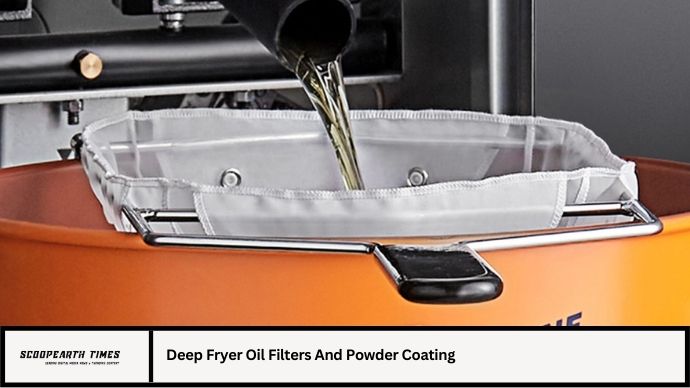
In the realm of commercial and industrial kitchens, maintaining the efficiency and longevity of equipment is paramount. Two critical aspects that contribute to operational success are deep fryer oil filters and powder coating. Understanding these elements can greatly influence both the performance of your kitchen equipment and the quality of food prepared. This guide provides a comprehensive overview of deep fryer oil filters and powder coating, highlighting their importance, functions, benefits, and maintenance tips.
Deep Fryer Oil Filters: An Overview
Deep fryer oil filters are essential components in commercial kitchens, designed to enhance the lifespan and performance of deep fryers. They play a crucial role in maintaining the quality of cooking oil, which directly impacts the taste and texture of fried foods.
Importance of Oil Filters
The primary purpose of a deep fryer oil filter is to remove contaminants from the oil. These contaminants include food particles, carbon, and other impurities that can degrade the quality of the oil over time. Proper filtration helps in:
- Extending Oil Life: By removing impurities, filters prevent the oil from breaking down too quickly, thereby extending its usable life.
- Improving Food Quality: Clean oil ensures that food retains its desired flavor and crispiness.
- Enhancing Safety: Reducing the accumulation of carbon and debris decreases the risk of oil fires and improves overall safety.
Types of Deep Fryer Oil Filters
Deep fryer oil filters come in various types, each suited for different applications:
- Manual Filters: These require operators to manually remove the oil and filter it through a unit. While cost-effective, manual filters are labor-intensive.
- Automatic Filters: These are built into the fryer and automatically filter the oil at regular intervals. They offer convenience and consistency but come at a higher cost.
- Portable Filters: These units are used to filter oil outside the fryer. They are ideal for large-scale operations and offer flexibility in maintaining multiple fryers.
How Deep Fryer Oil Filters Work
Deep fryer oil filters work by circulating the oil through a filter medium that captures impurities. The process typically involves:
- Oil Removal: The oil is drained from the fryer into the filter unit.
- Filtration: The oil passes through various filter media, such as paper or mesh, which trap particles and impurities.
- Oil Return: The cleaned oil is returned to the fryer, ready for reuse.
Benefits of Using Deep Fryer Oil Filters
- Cost Savings: By extending the life of the oil, filters reduce the frequency of oil replacements, leading to cost savings.
- Improved Efficiency: Clean oil ensures that the fryer operates efficiently, reducing energy consumption.
- Better Taste: Consistent oil quality results in better-tasting food.
1.5 Maintenance and Best Practices
- Regular Cleaning: Filters should be cleaned or replaced according to the manufacturer’s recommendations.
- Check for Clogs: Regularly inspect filters for clogs or blockages that can impair performance.
- Oil Monitoring: Keep an eye on oil quality and filter performance to ensure optimal operation.
Powder Coating: An Overview
Powder coating is a finishing process used to apply a protective and decorative coating to metal surfaces. It is widely used in various industries, including automotive, appliances, and commercial equipment, to enhance durability and appearance.
2.1 What is Powder Coating?
Powder coating involves applying a dry powder to a surface, which is then cured under heat to form a durable, uniform finish. The powder is typically composed of resins, pigments, and additives that provide the coating with its desired properties.
2.2 Benefits of Powder Coating
Powder coating offers several advantages over traditional liquid painting:
- Durability: Powder-coated surfaces are highly resistant to chipping, scratching, and fading.
- Environmental Benefits: Powder coating is a more environmentally friendly option as it generates fewer volatile organic compounds (VOCs) compared to liquid paints.
- Cost-Effectiveness: The process can be more cost-effective in the long run due to its durability and reduced need for touch-ups.
- Aesthetic Versatility: Powder coating is available in a wide range of colors and finishes, allowing for customization.
2.3 The Powder Coating Process
The powder coating process involves several key steps:
- Surface Preparation: The metal surface is cleaned and prepped to remove any contaminants or rust. This step is crucial for ensuring proper adhesion of the powder coating.
- Powder Application: The powder is applied to the surface using an electrostatic spray gun. The powder particles are charged, causing them to adhere to the metal surface.
- Curing: The coated surface is heated in an oven to melt and cure the powder. This step forms a solid, durable coating.
- Cooling: The coated item is allowed to cool, solidifying the finish and ensuring it is ready for use.
2.4 Applications of Powder Coating
Powder coating is used in various applications, including:
- Industrial Equipment: Protecting machinery and equipment from corrosion and wear.
- Automotive Parts: Enhancing the appearance and durability of vehicle components.
- Consumer Goods: Finishing household appliances and furniture.
- Architectural Components: Providing a durable and attractive finish for building materials and fixtures.
2.5 Maintenance and Best Practices
- Regular Inspection: Periodically check powder-coated surfaces for signs of damage or wear.
- Proper Cleaning: Clean powder-coated surfaces with mild detergents and avoid abrasive materials.
- Avoid Harsh Chemicals: Use appropriate cleaning agents to prevent damaging the coating.
Synergy Between Deep Fryer Oil Filters and Powder Coating
While deep fryer oil filters and powder coating serve different purposes, their roles complement each other in commercial kitchens and industrial settings.
3.1 Enhancing Equipment Longevity
- Oil Filters: By extending the life of cooking oil, oil filters contribute to the overall longevity and efficiency of deep fryers.
- Powder Coating: The protective coating on fryer components and other equipment helps prevent corrosion and wear, further extending their lifespan.
3.2 Improving Operational Efficiency
- Oil Filters: Clean oil ensures consistent cooking performance and reduces the frequency of fryer maintenance.
- Powder Coating: Durable finishes on equipment reduce the need for frequent repairs and maintenance, improving overall efficiency.
3.3 Maintaining Food Quality and Safety
- Oil Filters: Proper filtration ensures that fried foods maintain their quality and safety.
- Powder Coating: A protective coating on equipment parts helps prevent contamination and ensures that surfaces remain safe for food preparation.
4. Choosing the Right Equipment and Maintenance
To maximize the benefits of deep fryer oil filters and powder coating, it is essential to choose the right equipment and follow best practices for maintenance.
4.1 Selecting Deep Fryer Oil Filters
- Compatibility: Ensure that the oil filter is compatible with your fryer model and meets your operational needs.
- Filter Type: Choose between manual, automatic, or portable filters based on your kitchen’s size and requirements.
- Quality: Invest in high-quality filters that offer reliable performance and durability.
4.2 Selecting Powder Coating Services
- Quality of Finish: Choose a reputable powder coating service that provides a high-quality finish and adheres to industry standards.
- Experience and Expertise: Opt for a provider with experience in coating the specific types of equipment and materials used in your operations.
- Customization: If needed, select a service that offers customization options to match your aesthetic and functional requirements.
4.3 Maintenance Tips
- Oil Filter Maintenance: Follow the manufacturer’s guidelines for cleaning and replacing filters. Regularly inspect for clogs and performance issues.
- Powder Coating Maintenance: Inspect powder-coated surfaces for damage and clean with appropriate methods to maintain the finish and protect against wear.
Conclusion
Deep fryer oil filters and powder coating are integral components in maintaining the efficiency, durability, and safety of commercial kitchen equipment. By understanding their roles, benefits, and maintenance requirements, you can ensure optimal performance and longevity of your equipment.
Incorporating high-quality oil filters and choosing reliable powder coating services will not only enhance the functionality of your fryers and other equipment but also contribute to better food quality and operational efficiency. Regular maintenance and adherence to best practices will help you maximize the benefits of these essential components, ensuring a smooth and successful kitchen operation.
FAQs
1. What is the primary function of a deep fryer oil filter?
A deep fryer oil filter removes contaminants from cooking oil, extending its life and improving the quality of fried foods.
2. How often should deep fryer oil filters be cleaned or replaced?
The frequency depends on the fryer usage and manufacturer’s recommendations. Regular inspection and maintenance are crucial for optimal performance.
3. What are the advantages of powder coating over traditional painting?
Powder coating offers better durability, environmental benefits, cost-effectiveness, and aesthetic versatility compared to traditional liquid painting.
4. How do I maintain powder-coated surfaces?
Regular inspection and cleaning with mild detergents are recommended. Avoid abrasive materials and harsh chemicals to preserve the coating.
5. Can powder coating be applied to all types of metal surfaces?
Most metal surfaces can be powder-coated, but proper surface preparation is essential for optimal adhesion and finish.


