

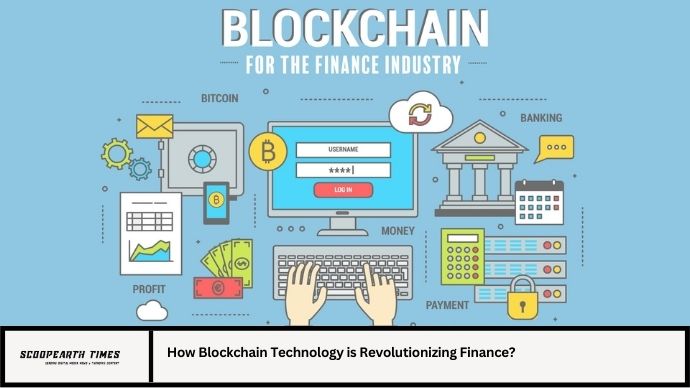
Blockchain technology, often associated with cryptocurrencies like Bitcoin, is rapidly gaining recognition for its transformative potential in various sectors. Among its most significant impacts is in the field of finance. As financial institutions and businesses explore blockchain’s capabilities, the technology promises to revolutionize traditional financial systems by offering increased security, efficiency, and transparency. This article delves into how blockchain technology is reshaping finance, exploring its applications, benefits, and future implications.
Understanding Blockchain Technology
What is Blockchain?
At its core, blockchain is a decentralized digital ledger that records transactions across multiple computers in such a way that the registered transactions cannot be altered retroactively. This ledger is maintained by a network of computers, known as nodes, which validate and record transactions in a series of blocks linked together, forming a chain—hence the term “blockchain.”
Key Features of Blockchain
- Decentralization: Unlike traditional databases controlled by a central authority, blockchain operates on a distributed network. This decentralization reduces the risk of single points of failure and fraud.
- Transparency: Transactions recorded on a blockchain are visible to all participants in the network, providing a transparent record that can be audited and verified.
- Immutability: Once a transaction is recorded on a blockchain, it is extremely difficult to alter or delete it. This immutability ensures the integrity of the data.
- Security: Blockchain uses cryptographic techniques to secure data. Each block contains a cryptographic hash of the previous block, creating a secure and tamper-proof chain.
- Consensus Mechanisms: Blockchain networks use various consensus mechanisms, such as Proof of Work (PoW) or Proof of Stake (PoS), to validate and agree on the accuracy of transactions.
Blockchain in Financial Services
Streamlining Payments and Transfers
Traditional payment systems often involve multiple intermediaries, each adding layers of complexity and cost. Blockchain technology simplifies and accelerates payment processes by enabling direct peer-to-peer transactions without the need for intermediaries.
- Faster Transactions: Blockchain transactions can be processed in minutes or even seconds, compared to the days required for traditional bank transfers.
- Lower Fees: By eliminating intermediaries, blockchain reduces transaction fees associated with payments, especially for cross-border transfers.
- Global Reach: Blockchain enables borderless transactions, allowing users to send and receive funds anywhere in the world without relying on traditional banking infrastructure.
Enhancing Security and Fraud Prevention
Security is a critical concern in the financial industry. Blockchain’s inherent security features make it an attractive solution for mitigating fraud and ensuring the integrity of financial transactions.
- Cryptographic Security: Blockchain uses cryptographic algorithms to protect transaction data, making it nearly impossible for unauthorized parties to alter or access sensitive information.
- Audit Trails: The transparent nature of blockchain creates an immutable audit trail of all transactions, which can be used to detect and prevent fraudulent activities.
- Decentralized Control: The decentralized nature of blockchain reduces the risk of centralized control being exploited for malicious purposes.
Transforming Financial Contracts with Smart Contracts
Smart contracts are self-executing contracts with the terms of the agreement directly written into code. These contracts automatically execute and enforce the terms when predefined conditions are met, reducing the need for intermediaries and minimizing the risk of disputes.
- Automation: Smart contracts automate complex financial transactions, such as loan agreements or insurance claims, by executing actions based on predetermined conditions.
- Transparency: All parties involved in a smart contract can view and verify the contract’s code and execution, ensuring transparency and reducing disputes.
- Efficiency: By eliminating the need for manual processing and intermediaries, smart contracts streamline operations and reduce administrative costs.
Improving Transparency and Compliance
Transparency and compliance are essential in the financial sector, where regulatory requirements are stringent. Blockchain technology offers a solution by providing a transparent and auditable record of transactions.
- Regulatory Compliance: Blockchain enables real-time tracking and reporting of financial transactions, helping organizations meet regulatory requirements and avoid penalties.
- Enhanced Auditing: The immutable nature of blockchain creates a permanent record of transactions, simplifying the auditing process and improving accountability.
- Data Integrity: The transparency of blockchain ensures that all participants have access to the same data, reducing discrepancies and enhancing trust among stakeholders.
Revolutionizing Trade Finance
Trade finance involves complex processes and multiple parties, including exporters, importers, banks, and logistics providers. Blockchain technology can streamline and enhance trade finance by automating and securing transactions.
- Digital Documentation: Blockchain enables the digitalization of trade documents, such as letters of credit and bills of lading, reducing paperwork and processing times.
- Real-Time Tracking: Blockchain provides real-time tracking of goods and transactions, improving supply chain visibility and reducing the risk of fraud.
- Streamlined Processes: By automating and integrating trade finance processes, blockchain reduces the complexity and costs associated with international trade.
Challenges and Considerations
Scalability
One of the significant challenges facing blockchain technology is scalability. As the number of transactions increases, the blockchain network may experience slower processing times and higher costs. Solutions such as layer-2 scaling techniques and improvements to consensus mechanisms are being explored to address these issues.
Regulatory Uncertainty
The regulatory environment for blockchain and cryptocurrencies remains uncertain in many jurisdictions. Governments and regulatory bodies are still developing frameworks to address the unique challenges posed by blockchain technology, including issues related to security, privacy, and financial stability.
Integration with Existing Systems
Integrating blockchain technology with existing financial systems and infrastructure can be complex. Financial institutions must navigate compatibility issues, legacy systems, and operational changes to successfully implement blockchain solutions.
Privacy Concerns
While blockchain offers transparency, it also raises concerns about privacy. The visibility of transaction data on a public blockchain may conflict with privacy regulations and the need to protect sensitive financial information.
Future Outlook and Trends
Increasing Adoption
The adoption of blockchain technology in finance is expected to grow as more institutions and businesses recognize its benefits. Financial services companies are investing in blockchain research and development to explore innovative applications and solutions.
Development of Central Bank Digital Currencies (CBDCs)
Central banks worldwide are exploring the development of central bank digital currencies (CBDCs) using blockchain technology. CBDCs could revolutionize monetary policy, payment systems, and financial inclusion by providing a digital alternative to traditional currencies.
Evolution of Decentralized Finance (DeFi)
Decentralized Finance (DeFi) is an emerging sector that leverages blockchain technology to create decentralized financial services, such as lending, borrowing, and trading. DeFi platforms aim to democratize access to financial services and challenge traditional financial intermediaries.
Enhanced Interoperability
Future developments in blockchain technology will focus on enhancing interoperability between different blockchain networks and traditional financial systems. This interoperability will enable seamless integration and collaboration across various platforms and sectors.
FAQ
1. What is blockchain technology?
Blockchain technology is a decentralized digital ledger that records transactions across a network of computers. Each transaction is stored in a block, and blocks are linked together to form a chain. This technology ensures transparency, security, and immutability of data.
2. How does blockchain technology improve financial transactions?
Blockchain improves financial transactions by providing faster processing times, lower transaction fees, increased security, and greater transparency. It eliminates the need for intermediaries and reduces the risk of fraud.
3. What are smart contracts, and how do they work?
Smart contracts are self-executing contracts with the terms directly written into code. They automatically execute and enforce contract terms when predefined conditions are met, reducing the need for intermediaries and increasing efficiency.
4. What are the main challenges associated with blockchain technology?
The main challenges include scalability issues, regulatory uncertainty, integration with existing systems, and privacy concerns. Addressing these challenges is crucial for the widespread adoption and effective use of blockchain technology.
5. What is Decentralized Finance (DeFi)?
Decentralized Finance (DeFi) refers to a sector of blockchain-based financial services that operate without traditional intermediaries, such as banks. DeFi platforms offer services like lending, borrowing, and trading using blockchain technology to create open and accessible financial systems.
Conclusion
Blockchain technology is fundamentally transforming the financial industry by introducing innovative solutions that enhance security, efficiency, and transparency. Its impact is evident in various aspects of finance, including payments, security, smart contracts, and trade finance. While challenges such as scalability, regulatory uncertainty, and integration remain, the potential benefits of blockchain technology are driving its adoption and development. As financial institutions and businesses continue to explore and implement blockchain solutions, the technology is poised to revolutionize the financial landscape, offering new opportunities and reshaping traditional financial systems.


