

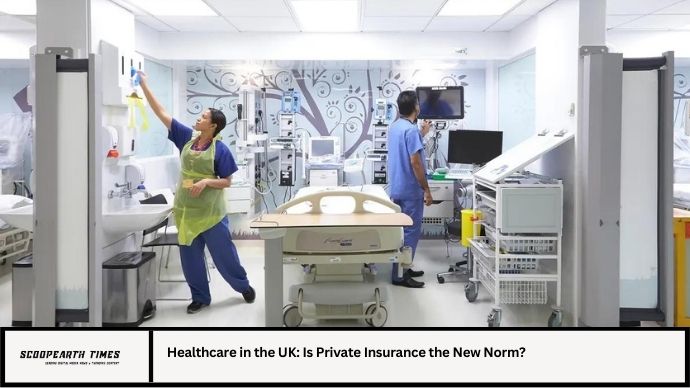
The healthcare landscape in the United Kingdom has long been characterized by its publicly funded system, the National Health Service (NHS). Established in 1948, the NHS was a pioneering model of universal healthcare, offering comprehensive services funded through taxation. However, over recent decades, there has been a growing discussion around the role of private healthcare and insurance within this framework. This article delves into whether private insurance is becoming the new norm in UK healthcare, examining the motivations behind its rise, its implications for the NHS, and the broader societal impact.
The NHS: A Historical Overview
The NHS was born out of the post-war consensus that healthcare should be a universal right, free at the point of use. It was founded on the principle of providing healthcare services funded by general taxation, ensuring that no one would be denied treatment due to lack of personal funds. This model represented a significant shift from the pre-NHS era, where access to healthcare was often dependent on one’s ability to pay.
Over the decades, the NHS has been subject to various reforms and funding challenges. Despite its commitment to providing free healthcare, the system has faced criticism for long waiting times, variable quality of care, and regional disparities. These issues have paved the way for an increased interest in private healthcare options.
The Rise of Private Insurance in the UK
Historical Context
The rise of private insurance in the UK can be traced back to the 1980s, during a period of significant political and economic change. Margaret Thatcher’s government introduced a series of market-oriented reforms aimed at reducing the role of the state in various sectors, including healthcare. This shift laid the groundwork for the growth of private healthcare services.
Current Trends
In recent years, there has been a notable increase in the uptake of private health insurance. According to the Association of British Insurers (ABI), around 8.6 million people in the UK held private medical insurance in 2023, a figure that reflects a steady growth over the past decade. This rise can be attributed to several factors:
- Increased Waiting Times: With growing pressures on the NHS, waiting times for certain treatments and elective surgeries have increased. Private insurance offers a solution for those seeking faster access to healthcare services.
- Desire for Enhanced Services: Private healthcare often provides additional benefits such as private rooms, shorter waiting times, and access to a broader range of specialists and treatments.
- Economic Factors: As the UK economy has grown, more individuals and families can afford private insurance. Additionally, some employers offer private health insurance as part of their employee benefits package.
- Perception of Quality: There is a perception that private healthcare services offer a higher standard of care compared to the NHS, which can drive individuals towards private insurance.
Key Players in the Market
Several major providers dominate the private health insurance market in the UK. These include:
- Bupa: One of the largest providers, offering a range of health insurance products and private medical care services.
- AXA PPP Healthcare: Provides comprehensive health insurance plans with a focus on customer service and flexibility.
- VitalityHealth: Known for its innovative approach, combining health insurance with wellness incentives.
The Implications of Private Insurance on the NHS
Financial Impact
The growing popularity of private insurance has financial implications for the NHS. As more individuals opt for private care, there is potential for a reduction in the number of patients utilizing NHS services. This could lead to a decrease in NHS funding from general taxation, as fewer resources are required to meet demand.
However, this dynamic also presents challenges. The NHS remains a public institution with a mandate to provide care to everyone, regardless of their ability to pay. If private insurance users continue to rely on NHS services for complex or emergency care, the financial burden on the NHS could increase, potentially exacerbating existing funding issues.
Access and Equity
One of the core principles of the NHS is to provide equitable access to healthcare for all. The rise of private insurance has the potential to create a two-tiered system, where those with private insurance have access to quicker and potentially higher-quality services, while those reliant on the NHS may experience longer waits and variability in care quality.
The expansion of private insurance could exacerbate disparities in healthcare access, particularly if private providers attract resources and talent away from the NHS. This could undermine the principle of universal healthcare and widen the gap between different socioeconomic groups.
Workforce Implications
The growing demand for private healthcare services may affect the NHS workforce. High-demand areas in private healthcare can offer competitive salaries and working conditions, potentially attracting healthcare professionals away from the NHS. This could lead to staffing shortages and increased pressure on NHS services.
The Future of Healthcare in the UK: Public vs. Private
Policy Considerations
The debate over the role of private insurance in the UK healthcare system raises important policy questions. The government must consider how to balance the benefits of private healthcare with the need to maintain a robust and equitable public healthcare system.
Potential policy responses could include:
- Increased Funding for the NHS: To address waiting times and service quality issues, additional funding could be directed towards the NHS, ensuring it remains a viable option for those who cannot afford private insurance.
- Regulation of Private Providers: Implementing regulations to ensure that private providers do not siphon resources away from the NHS and that private insurance remains complementary rather than substitutive.
- Focus on Integration: Developing models of integrated care that combine public and private services to offer patients a seamless healthcare experience.
Public Sentiment
Public opinion on the role of private insurance in the NHS is mixed. Some view private insurance as a way to alleviate pressures on the NHS and provide faster access to care, while others fear it could undermine the principles of universal healthcare. Maintaining public trust and addressing concerns about equity will be crucial in shaping the future of healthcare in the UK.
Technological and Innovative Solutions
The future of healthcare in the UK may also be influenced by technological advancements and innovative approaches. Digital health solutions, such as telemedicine and electronic health records, could improve efficiency and accessibility within both public and private sectors. These innovations have the potential to address some of the challenges faced by the NHS and enhance the overall healthcare experience.
FAQ
1. What are the main benefits of private health insurance in the UK?
Private health insurance in the UK offers several benefits, including faster access to treatments, reduced waiting times, enhanced comfort (e.g., private rooms), and a broader range of specialists and treatments. It also often includes additional services such as health screenings and wellness programs.
2. How does private insurance affect the NHS?
Private insurance can relieve some pressure from the NHS by reducing the number of patients using its services. However, it can also lead to increased financial and staffing pressures on the NHS if private patients still require complex or emergency care from public services.
3. Is private insurance affordable for everyone?
Private insurance costs vary depending on the level of coverage and the insurer. While some plans are affordable for many people, others can be costly. Employer-provided insurance and subsidies may make it more accessible for certain individuals.
4. How does the UK government regulate private healthcare?
The UK government regulates private healthcare through various mechanisms to ensure quality and safety standards. Regulations include oversight of private providers, adherence to healthcare standards, and measures to ensure that private healthcare does not undermine public services.
5. What is the future outlook for private insurance in the UK?
The future outlook for private insurance in the UK will depend on various factors, including NHS funding, public sentiment, and technological advancements. It is likely that private insurance will continue to play a significant role, but its impact on the NHS and healthcare equity will need to be carefully managed.
Conclusion
The increasing role of private insurance in the UK’s healthcare system represents a significant shift from the traditional reliance on the NHS. While private insurance offers benefits such as faster access to care and enhanced services, it also poses challenges related to equity, NHS funding, and the potential for a two-tiered healthcare system. The future of UK healthcare will require a balanced approach that integrates both public and private elements while ensuring that the core principles of universal access and equity are upheld. As the healthcare landscape continues to evolve, ongoing dialogue and thoughtful policy-making will be essential in shaping a system that meets the needs of all individuals and maintains the integrity of the NHS.


